Explore Sound Healing for Nervous System Regulation

The nervous system controls how our body responds to stress, processes emotions, and maintains balance. When it becomes overwhelmed, it can lead to anxiety, insomnia, and other health issues. Sound healing offers a gentle, non-invasive way to support nervous system regulation. This practice uses specific sounds and vibrations to help calm the mind and body, promoting relaxation and resilience.
In this post, we will explore how sound healing works, the science behind it, practical ways to use it, and tips for incorporating it into your daily routine.
How Sound Healing Affects the Nervous System
Sound healing uses vibrations and frequencies to influence brainwaves and nervous system activity. Our nervous system has two main parts: the sympathetic nervous system, which triggers the fight-or-flight response, and the parasympathetic nervous system, which promotes rest and digestion.
Certain sounds can help shift the nervous system from a state of stress to one of calm by:
Slowing down brainwave activity to encourage relaxation
Stimulating the vagus nerve, which activates the parasympathetic system
Reducing cortisol levels, the hormone linked to stress
Enhancing feelings of safety and well-being through soothing tones
For example, low-frequency sounds like those from Tibetan singing bowls or gongs produce vibrations that resonate with the body, encouraging a deep state of relaxation. These sounds can help reduce heart rate and lower blood pressure, supporting nervous system balance.
The Science Behind Sound and Nervous System Regulation
Research shows that sound influences brainwave patterns. Brainwaves are electrical impulses in the brain that correspond to different states of consciousness:
Beta waves: active thinking and alertness
Alpha waves: relaxed but awake
Theta waves: deep relaxation and meditation
Delta waves: deep sleep
Sound healing often targets alpha and theta brainwaves, which promote calmness and reduce anxiety. For example, binaural beats use two slightly different frequencies in each ear to create a perceived third frequency that encourages brainwave entrainment. This can help shift the brain into a more relaxed state.
Studies have also found that sound therapy can reduce symptoms of PTSD, depression, and chronic pain by improving nervous system regulation. While more research is needed, early results are promising.
Common Sound Healing Tools and Techniques
There are many ways to experience sound healing. Here are some popular tools and methods:
Tibetan Singing Bowls: Metal bowls that produce rich, harmonic tones when struck or circled with a mallet. Their vibrations can be felt throughout the body.
Gongs: Large metal discs that create deep, resonant sounds. Gong baths involve lying down while the gong is played, allowing the sound waves to wash over the body.
Tuning Forks: Metal forks tuned to specific frequencies. When struck, they produce pure tones that can be applied near the body or ears.
Chanting and Mantras: Vocal sounds repeated rhythmically to focus the mind and create calming vibrations.
Binaural Beats and Isochronic Tones: Audio tracks designed to influence brainwaves through specific sound frequencies.
Each tool offers a unique experience. For example, tuning forks can target specific areas of the body, while gong baths provide a full-body sound immersion.
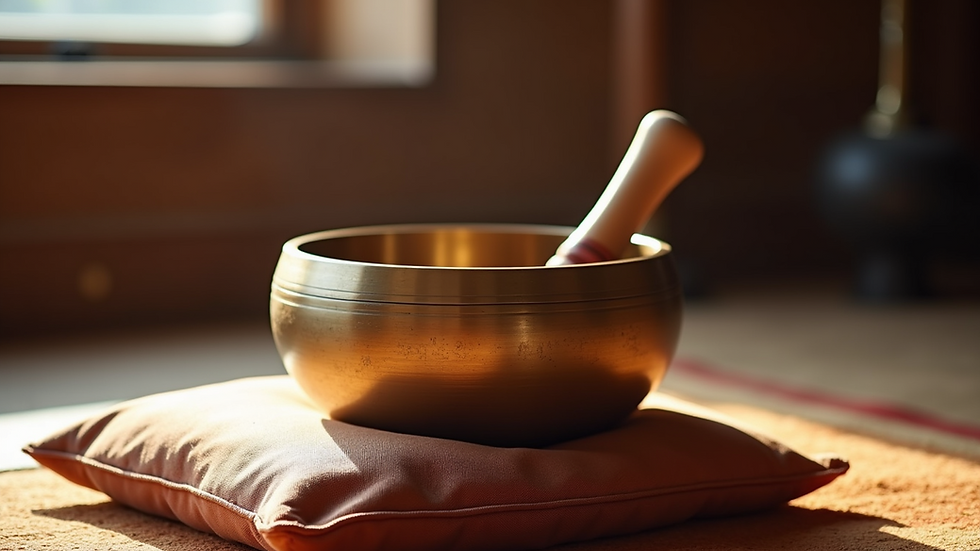
Image caption: Tibetan singing bowl resting on a cushion, ready for use in sound healing to promote nervous system balance.
How to Use Sound Healing for Nervous System Support
You don’t need special equipment or training to start using sound healing. Here are some simple ways to incorporate it into your routine:
Listen to calming music or nature sounds during stressful moments or before bed.
Try guided sound meditation with binaural beats or chanting tracks available online.
Attend a sound bath or sound healing session led by a trained practitioner.
Use a singing bowl or tuning fork at home to create soothing vibrations.
Combine sound healing with deep breathing or mindfulness to enhance relaxation.
For example, spending 10 minutes listening to a gong bath recording while lying down can help reduce tension and promote a sense of calm. Regular practice can improve your nervous system’s ability to handle stress.
Tips for Maximizing the Benefits of Sound Healing
To get the most from sound healing, consider these tips:
Create a quiet, comfortable space free from distractions.
Use headphones for binaural beats to ensure the frequencies reach each ear properly.
Be consistent. Regular sessions help train your nervous system to relax more easily.
Combine sound healing with other self-care practices like yoga, meditation, or gentle movement.
Listen to your body. If a sound feels uncomfortable, try a different frequency or tool.
Remember, sound healing is a supportive practice. It works best as part of a holistic approach to health that includes good sleep, nutrition, and stress management.
Who Can Benefit from Sound Healing?
Sound healing can support many people, especially those experiencing:
Anxiety and stress
Difficulty sleeping
Trauma or PTSD symptoms
Chronic pain or tension
Emotional overwhelm
It is safe for most people, but if you have a history of seizures or certain medical conditions, consult a healthcare provider before trying sound therapy.
Sound healing offers a gentle, accessible way to support nervous system regulation. By using specific sounds and vibrations, you can encourage relaxation, reduce stress, and improve overall well-being. Whether you attend a sound bath, use a singing bowl, or listen to calming audio tracks, integrating sound healing into your life can help you find balance in a busy world.
Try exploring different sound healing methods and notice how your body and mind respond. With regular practice, you may discover a powerful tool for calming your nervous system and enhancing your health.


Comments